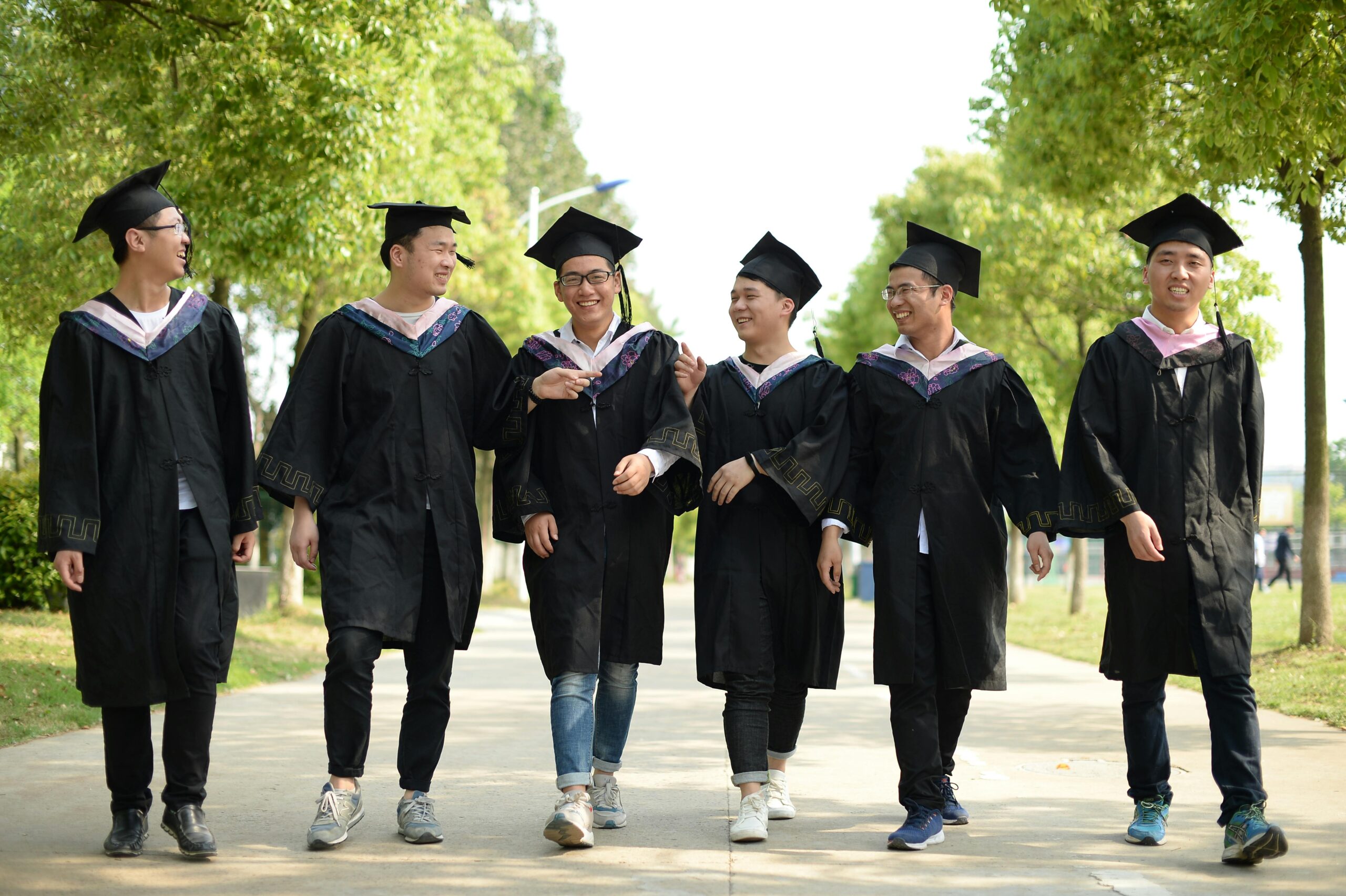
The role of universities in society has significantly evolved over recent decades. Today, they are not just centers for higher education, but also key players in transforming their communities. This is clearly reflected in the growing focus of universities on social responsibility through community projects. These initiatives not only have a positive impact on the communities, but also offer valuable experiences for students who participate in them.
Embrace global learning, join now!What is University Social Responsibility?
University social responsibility (USR) is a concept that involves universities taking an active role in society, beyond their educational and research functions. It refers to a practice where educational institutions assume their role not only as knowledge generators but also as agents of change contributing to the sustainable development and well-being of communities.

This approach has become crucial today, especially because universities are seen as institutions that can contribute to social, economic, and environmental development. USR includes actions in areas such as supporting primary education, improving health, fostering social entrepreneurship, and protecting the environment.
Universities that adopt USR develop projects where students, faculty, and other members of the university community are directly involved. These projects are designed to address social problems while providing students with holistic education that goes beyond academic knowledge.
University Community Projects
University community projects are one of the key manifestations of USR. These initiatives often involve collaboration between universities, local governments, NGOs, and other stakeholders to address issues affecting the community. These projects are diverse and can range from educational programs, health and wellness initiatives, environmental sustainability efforts, to social entrepreneurship and poverty alleviation.
Some examples of community projects include:
- Education-based projects: Universities may set up tutoring programs, community schools, or literacy campaigns for disadvantaged groups.
- Health-focused initiatives: These could involve organizing health clinics, raising awareness about public health issues, or offering medical care in underserved areas.
- Environmental sustainability efforts: Many universities organize campaigns for recycling, environmental clean-ups, or renewable energy projects in local communities.
- Social entrepreneurship: Universities may promote the development of social enterprises that address specific local issues like unemployment or lack of access to basic services.
By participating in these projects, students gain hands-on experience in real-world issues while contributing to the betterment of their communities.
Impact of Community Projects
The impact of community projects is multifaceted and can be seen on both the community level and the students involved. These projects help address real-world issues, such as poverty, education gaps, healthcare access, and environmental degradation. They can lead to tangible improvements in the quality of life for residents in local communities.
On the other hand, students involved in these initiatives gain more than just academic knowledge. They develop skills such as problem-solving, teamwork, leadership, and empathy, which are crucial for their personal and professional growth. These experiences also allow students to put theory into practice, which enhances their academic learning and prepares them for future careers, especially in fields that require social awareness and community involvement.
Moreover, these community projects often create a sense of pride and fulfillment among students. They feel empowered by their ability to contribute positively to society, which can motivate them to continue engaging in social causes even after graduation.
Challenges and Opportunities for Universities
While the positive impact of community projects is clear, there are several challenges that universities face when implementing these initiatives. Some of the key challenges include:
- Limited resources: Many universities, especially those in developing countries, may lack the financial or human resources to implement large-scale community projects.
- Sustainability of projects: Ensuring that the community projects continue after the initial phase can be challenging. Some projects may face difficulties in maintaining momentum or securing long-term funding.
- Engagement of all students: Encouraging widespread student involvement in community projects can be difficult, especially when students have busy academic schedules or are not initially motivated to participate in social causes.
However, these challenges also present opportunities for universities to grow and improve. For example:
- Partnerships with other organizations: Universities can collaborate with local governments, NGOs, and businesses to pool resources and expertise, thereby ensuring the success of community projects.
- Integration into the curriculum: By making community service a mandatory or elective part of the academic curriculum, universities can ensure that all students have the opportunity to participate in social responsibility projects.
- Technology and innovation: The use of technology can make it easier for universities to manage and scale their community projects. Innovations like online platforms for volunteering or virtual community outreach can engage a wider audience.
In conclusion, universities have a crucial role to play in fostering social responsibility through community projects. Despite the challenges they may face, the benefits to both the community and the students are significant. As universities continue to innovate and collaborate with various stakeholders, the impact of their community projects will only continue to grow, making a lasting positive change in society.