Did you know that the Technical University of Munich (TUM) is at the forefront of training AI experts? If you’ve ever wondered how AI is transforming both the academic world and the job market, this article will help you understand the opportunities TUM offers. From cutting-edge academic programs to strong connections with the AI industry, the Technical University of Munich is an excellent place for those looking to build a career in this innovative field.
This article explores the Artificial Intelligence Programs at the Technical University of Munich, admission requirements, academic opportunities, and career prospects in the AI industry, providing you with a comprehensive guide to make informed decisions about your educational and professional future.
Drive innovation, join now!What AI Programs Does the Technical University of Munich Offer?
The Technical University of Munich is renowned for its wide range of artificial intelligence-related programs. These programs are designed to equip students with both theoretical knowledge and practical experience in AI. TUM’s AI-focused academic offerings are part of their broader commitment to fostering technological innovation and research excellence.
Master’s in Computer Science with AI Specialization
TUM offers a highly regarded Master’s in Computer Science with a specialization in Artificial Intelligence. This program dives deep into machine learning, neural networks, data science, and AI applications across industries such as healthcare, robotics, and autonomous systems. Students will gain a strong foundation in both the theoretical and practical aspects of AI, preparing them for challenging roles in the industry.
Master’s in Robotics, Cognition, Intelligence
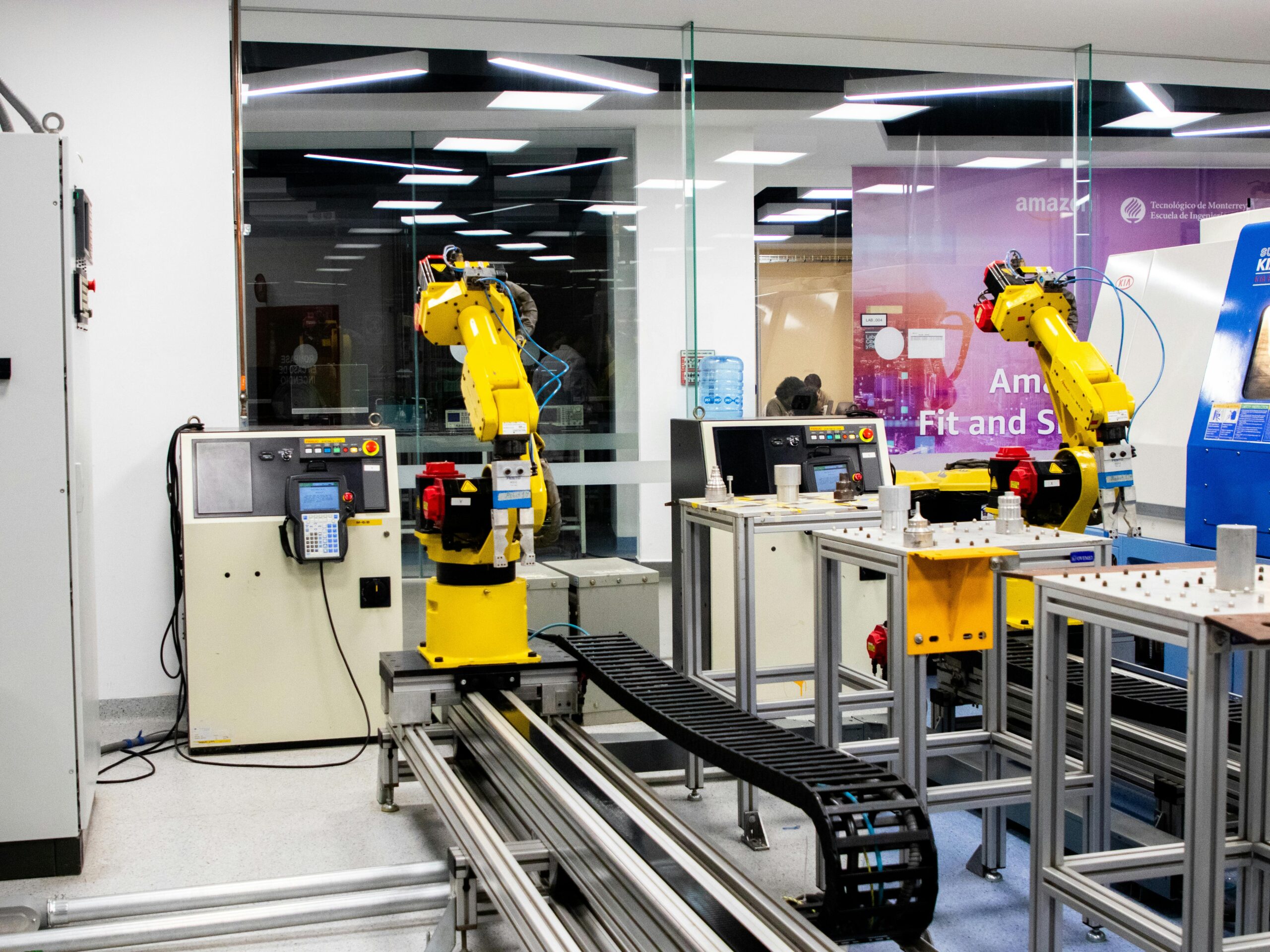
The Master’s in Robotics, Cognition, and Intelligence focuses on the intersection of AI, robotics, and cognitive systems. It covers topics like computer vision, machine learning, human-robot interaction, and intelligent systems. This program is ideal for students interested in the practical application of AI in fields such as autonomous vehicles, smart factories, and healthcare robotics.
PhD Opportunities in AI Research
For those looking to pursue an academic or research-focused career, TUM offers a variety of PhD programs in artificial intelligence. These programs are research-intensive and allow students to work on groundbreaking AI projects under the mentorship of renowned professors. PhD students often have the chance to collaborate with top-tier industry partners and engage in cutting-edge AI research.
Continuing Education and Professional Development
TUM also provides various continuing education programs aimed at professionals who want to deepen their expertise in AI without committing to a full-time degree. These programs are designed for individuals who are already in the tech field and wish to specialize in AI technologies, machine learning, or data analysis.
Admission Requirements for AI Programs at TUM
Admission to the AI programs at the Technical University of Munich is competitive and requires a strong academic background. Below are some key points to consider when applying for these programs.
Bachelor’s Degree or Equivalent
For the Master’s programs, applicants must have a relevant bachelor’s degree in computer science, engineering, mathematics, or a related field. A solid foundation in mathematics, particularly linear algebra, calculus, and statistics, is essential for success in these programs.
Language Proficiency
Since most programs are taught in English, applicants are required to demonstrate proficiency in English. This can be done through standardized tests like TOEFL or IELTS, unless the applicant’s prior education was conducted in English.
GRE Scores
Some programs may require GRE scores, especially for international applicants. The GRE is a standardized test that evaluates general academic abilities in areas like quantitative reasoning and verbal reasoning.
Specific Program Prerequisites
Each program may have specific prerequisites related to prior coursework or experience in AI-related topics. For example, the Master’s in Robotics, Cognition, and Intelligence may require prior experience or coursework in robotics or engineering.
Academic Opportunities: Research and International Collaborations
TUM is known for its strong research focus and collaborations with leading international universities and companies. AI students at TUM have access to world-class research facilities and can participate in high-impact research projects.
Cutting-Edge AI Research
TUM’s AI programs are closely tied to its research institutes, such as the Munich School of Robotics and Machine Intelligence (MSRM). This school focuses on the development of intelligent systems that can be applied to real-world problems. Students involved in research at TUM are often at the forefront of AI advancements, contributing to new algorithms, technologies, and applications.
Industry Partnerships
TUM has established strong relationships with top global companies in the AI industry, such as Google, Siemens, BMW, and Intel. These partnerships provide students with opportunities for internships, collaborative projects, and access to the latest AI technologies. TUM also hosts various workshops, hackathons, and events where students can meet industry leaders and work on real-world AI problems.
International Exchange Programs
TUM has numerous exchange agreements with universities around the world, including institutions in the United States, Europe, and Asia. These exchange programs allow students to broaden their academic horizons, gain international experience, and work on collaborative AI research projects across borders.
Career Opportunities: Jobs in the AI Industry
Graduating from TUM with an AI degree opens up a wide range of career opportunities in the fast-growing field of artificial intelligence. The demand for AI professionals is skyrocketing across industries, from healthcare and automotive to finance and logistics.
AI Researcher
For those who wish to pursue a career in academia or advanced research, becoming an AI researcher is a natural progression. AI researchers develop new algorithms, improve existing technologies, and contribute to the scientific understanding of AI and machine learning.
Data Scientist
Data scientists are in high demand and work with large datasets to build predictive models using AI algorithms. TUM graduates with a background in AI are well-positioned for roles in data science, where they apply AI techniques to solve complex business problems.
AI Software Engineer
AI software engineers design and build AI-driven applications, from machine learning models to autonomous systems. These professionals are essential to the development of smart products, self-driving cars, and AI-based platforms. Companies in industries like automotive, tech, and robotics are eager to hire skilled AI engineers.
Robotics Engineer
Graduates with a specialization in robotics, cognition, and intelligence can pursue careers as robotics engineers. These professionals design and create intelligent robots that can interact with their environment, make decisions, and perform tasks autonomously. Robotics is a rapidly growing field with applications in manufacturing, healthcare, and space exploration.
AI Consultant
For those interested in the business side of AI, becoming an AI consultant is an exciting career path. AI consultants advise companies on how to integrate AI into their operations, enhance efficiency, and stay competitive. This role requires not only technical expertise but also the ability to understand business needs and translate them into AI solutions.
How TUM Prepares Students for the Future of AI
The Technical University of Munich equips its students with the skills and knowledge they need to succeed in the ever-evolving world of artificial intelligence. TUM’s approach to AI education combines rigorous academic coursework, hands-on experience, and exposure to cutting-edge research.
Interdisciplinary Learning
TUM emphasizes interdisciplinary education, encouraging students to combine their AI knowledge with expertise from other fields like engineering, biology, and economics. This approach prepares graduates to tackle complex, real-world challenges where AI intersects with other disciplines.
Collaboration with Industry Experts
Throughout their studies, TUM students have numerous opportunities to collaborate with industry experts. Whether through internships, projects, or guest lectures, students gain insight into the practical applications of AI and develop the skills needed to thrive in the industry.
Focus on Ethical AI
As AI becomes increasingly integrated into society, ethical considerations are crucial. TUM incorporates discussions on the ethical implications of AI technologies into its programs, ensuring that graduates are not only skilled technicians but also responsible innovators who understand the social and ethical consequences of their work.